
egonflower
Technology Enthusiast

Features
Audio Engineer - Video Editor - IT Consultant - Digital Transformation - NFT Artist
Audio Engineer
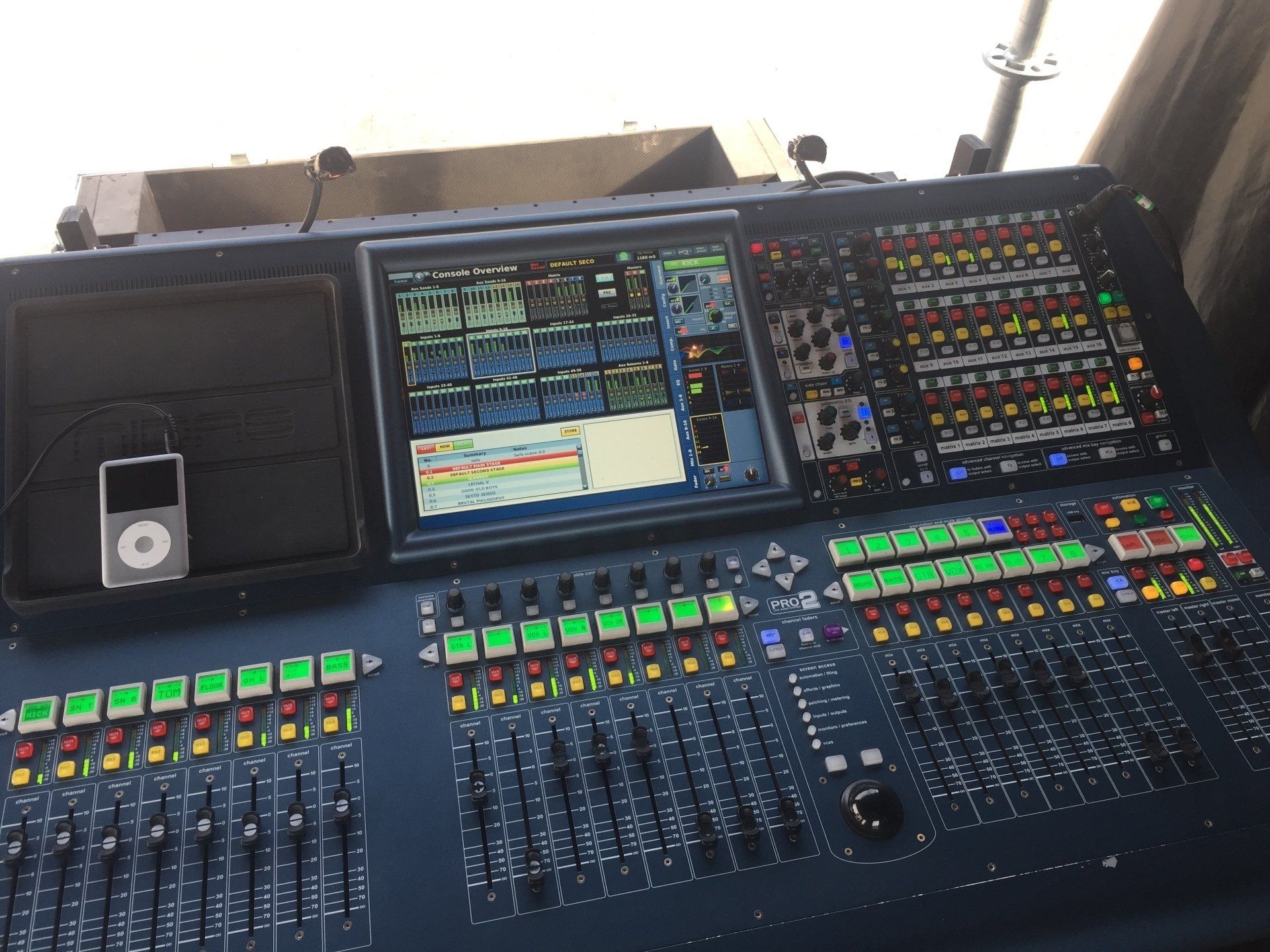
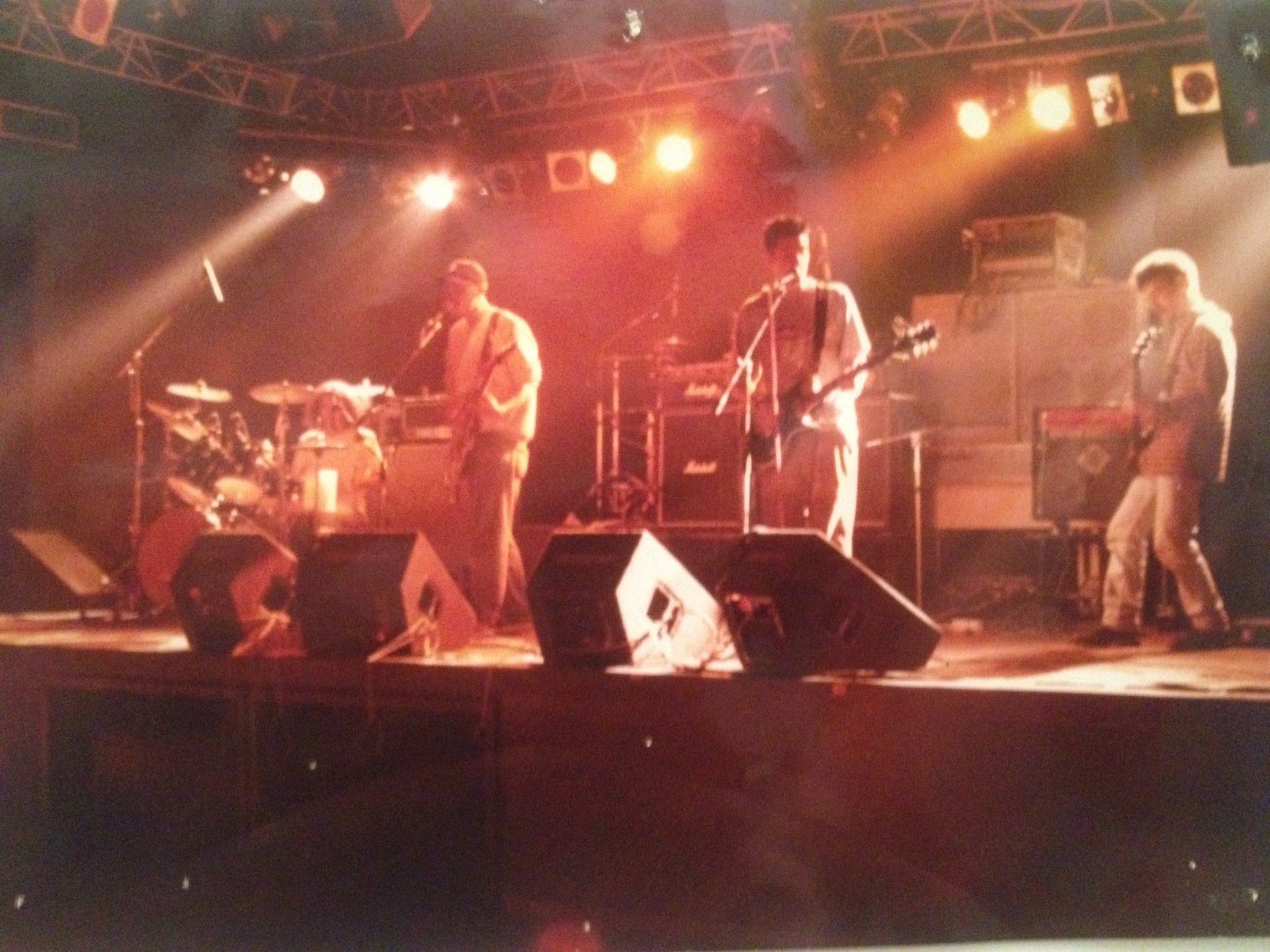
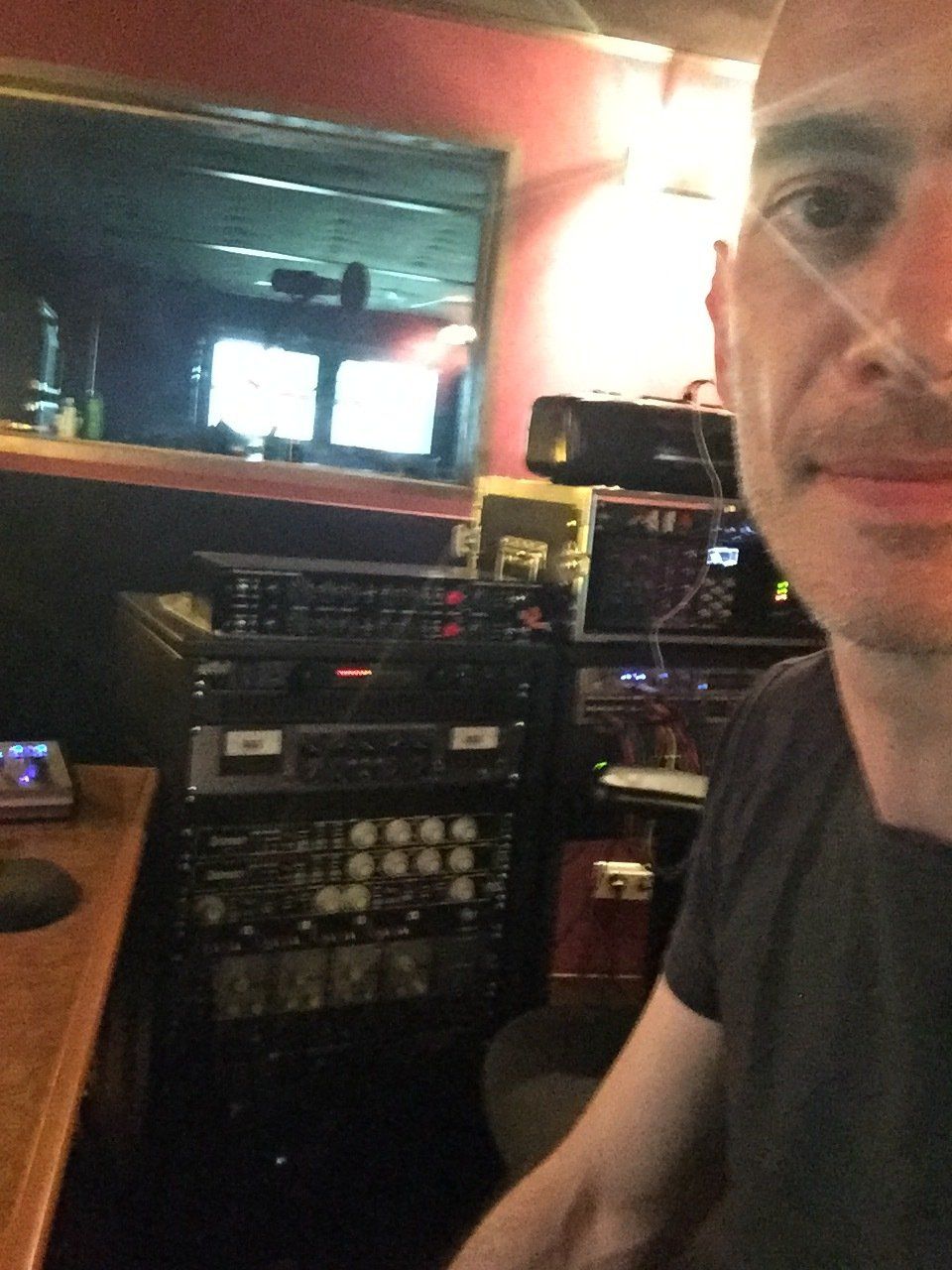
Producer professional Sound Engineer since 1996, more than a 1000 gigs in Italy, Europe and United States, Live and Studio.
Video Editor
Video Maker, Video Editor, Colorization, Sound Reinforcement.
IT Consultant
IT Management, IT Administration, IT Security, IT HealthCare, Humanitarian, Web Design, Social Media Management, Cloud, Virtualization.
Digital Transformation
Integration of digital technology into all areas of a business, fundamentally changing operations and deliver value to customers and GDPR compliance.
NFT Artist
NFT
art is a totally new way of categorizing digital artworks that enables designers to monetize their work.
Check out my gallery -
A collection of 100 GoldenBoy NFTs unique digital collectibles living on the
Ethereum
blockchain
minted on
opensea.io.
How it Works
A life dedicated to research, application and improvement.
About
Me?
Due to my family's business, I've moved several times in my childhood and youth. Thanks to my parents' "wanderlust", in my first two decades, I had the opportunity to travel a lot around Italy and Europe; then, on my own, finding my direction, I've continued traveling and learning both for business and for pleasure. I have a flexible and open mind and I thrive in a multicultural milieu. I am passionate about environmental issues, a WWF supporter and a National Geographic subscriber. I have proven and tested attitude for troubleshooting, excellent interpersonal and team skills and I am committed to always producing top quality work (otherwise, why bother?)

“Matteo is a person rich in quality.
He is precise, reliable, far-sighted.
He possesses a precious enthusiasm and implements constant and highly effective working methods. His interests and his fields of application are many and all faced with profound tenacity and dedication. New technologies are for him not just a job or a secondary interest, but fundamental elements of both personal and social development. Collaborating with him we appreciate the ability to have an overall design vision and to be able to make winning choices from a technical and managerial point of view.
It is undoubtedly a resource in any business context.”
What are my plans?
Here you find my goals, my adventures...





Contact Me
I’d love to hear from you. Call me now at 555-555-5555 (hihihi...) or send a message using the form below I’ll get back to you as soon as I can.